Home / JLPT N5 Grammar

JLPT N5 Grammar

JLPT N5 Grammar

[PDF] JLPT N5 All Grammar

[PDF] JLPT N5 All Grammar JLPT N5 Grammar Points Learning Japanese grammar at the N5 level is important and will help you pass the JLPT N5 exam.  Download: The Here Related Post: N5 Grammar review JLPT N5 Grammar List

Read More »

N5 Grammar review

Summary of Japanese grammar N5 for JLPT N5 exam preparation Related Post: Frequently used grammar in the Japanese JLPT N5 20 Basic Japanese grammar structures

Read More »

JLPT N5 Grammar: これ/それ/あれ (kore/sore/are)

JLPT N5 Grammar: これ/それ/あれ (kore/sore/are) Meaning: これ/それ/あれ (Kore/ sore/ are) : This/that Usage: Used to represent a noun (alternative pronoun) indicating people, things… + “これ”- This: Used to refer to things that are far from the listener but close to the speaker. + “それ”- That: Used to refer to things …

Read More »

JLPT N5 Grammar: なる (naru)

なる (naru) Meaning: to become How to use the: Noun + になる なadjective + になる いadjective remove い + くなる Example sentences: 1, 今日は寒くなるようだ。 kyou wa samuku naru you da. It looks like it’s getting cold today. 2, 暗くなる前に家に帰りたい。 kuraku naru mae ni ie ni kaeritai. I want to go home before …

Read More »

JLPT N5 Grammar: まだ~ていません (mada ~te imasen)

まだ~ていません (mada ~te imasen) Meaning: have not yet~ How to use the: まだ + Verb (てない) *spoken まだ + Verb (ていない) まだ + Verb (ていません) Explain: Describe an action that has not been completed but is intended to be done. Example sentences: 1, ご飯を食べましたか? いいえ、まだ食べていません。 Gohan o tabemashita ka? Īe, mada …

Read More »

JLPT N5 Grammar: もう~ました (mou mashita)

もう~ました (mou mashita) Meaning: What did How to use the: もう + Verb + ました もう + Verb + た Explain: Describe the action was completed Example sentences: 1, もう宿題をしましたか? Mou shukudai o shimashita ka? Have you done your homework yet? 2, もう晩御飯を食べましたか? Mou ban gohan o tabemashita ka? Have …

Read More »

JLPT N5 Grammar : ませんか (masen ka)

ませんか (masen ka) Meaning: let’s, won’t you, wouldn’t you How to use the: Verb-polite negative form + ませんか Explain: This sentence pattern is used to invite or ask listeners to do something together. Example sentences: 1, いっしょに食べませんか? Issho ni tabemasen ka? Would you like to eat with me? 2, いっしょに旅行へ行きませんか? …

Read More »

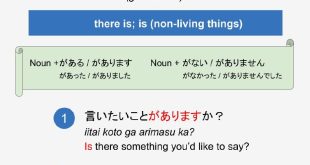
JLPT N5 Grammar : があります (ga arimasu)

があります (ga arimasu) Meaning: there is; is (non-living things) Explain: This form is used to talk about the residence, the existence of objects. The objects here will be the subject of the sentence, and are denoted by the auxiliary  「が」「があります」 for non-moving objects such as furniture and trees. Example sentences: 1, …

Read More »

JLPT N5 Grammar : ましょうか (mashouka)

ましょうか (mashouka) Meaning: shall I ~; used to offer help to the listener Explain: Describe permission to help others Example sentences: 1, 重いですね。待ちましょうか? Omoidesu ne. Machi mashouka? Heavy, let me bring it for you ? 2, にもつをもちましょうか。 nimotsu o mochi mashouka? Shall I help carry your luggage? 3, てつだいましょうか。 tetsudai …

Read More »